
Trees are among the most valuable assets on a residential property; they provide shade, privacy, curb appeal, and environmental benefits that take decades to develop. The decision to remove a tree is never one to make lightly, but there are circumstances where keeping a tree is more costly, risky, or damaging than removing it. Knowing when to remove a tree is a judgment call that every homeowner with mature trees on their property should be prepared to make thoughtfully.
Why the Decision to Remove a Tree Requires Careful Consideration
A tree that’s been standing for 30 or 50 years represents enormous value, and removing it is irreversible. At the same time, a tree in serious structural decline, positioned dangerously close to the home, or damaged beyond recovery by disease, could be a significant liability. Homeowners sometimes hold onto trees longer than they should out of sentimentality, and sometimes remove healthy trees unnecessarily based on superficial concerns. The right approach is to get a professional assessment from a certified arborist before deciding. An arborist will evaluate structural integrity, identify disease or pest issues, and recommend whether removal, pruning, cabling, or treatment is the most appropriate course of action.
Signs That It’s Time to Remove a Tree
Several conditions indicate that a tree has reached the point where removal is the responsible choice. Structural failure risk is the most urgent reason to remove a tree. Trees with significant trunk decay have compromised integrity that makes them vulnerable to falling in wind or ice events. A tree doesn’t need to look dead to be dangerous; healthy-looking bark can conceal significant internal decay. Large dead branches, known as widow-makers, present an immediate hazard and often signal serious decline. A tree that is dead or predominantly dead should almost always be removed. Dead trees don’t fall on a predictable schedule, they can stand for years and fall suddenly, with the wood becoming more unpredictable as it deteriorates. Root problems are another significant indicator. Roots severed by construction, signs of root rot, or a tree that has begun to lean progressively all indicate instability at the base. A tree that wasn’t leaning before is a particularly concerning sign of root failure.
When to Remove Versus When to Try Treatment First
Not every tree in decline needs to come down. A professional arborist can often distinguish between a tree worth saving and one past the point of treatment. Trees affected by certain fungal diseases, pest infestations, or storm damage can sometimes be treated, pruned, or structurally supported with cables and braces. A tree with manageable disease, sound structural wood, and good overall architecture may have years of useful life remaining with appropriate care. The cost of treatment should be weighed against the tree’s value and long-term prognosis. Location matters enormously. A tree with moderate disease located well away from the home might reasonably be monitored rather than immediately removed. The same tree directly over the roof, a deck, or power lines justifies more urgent action regardless of its current condition.
Hiring a Professional to Remove a Tree Safely
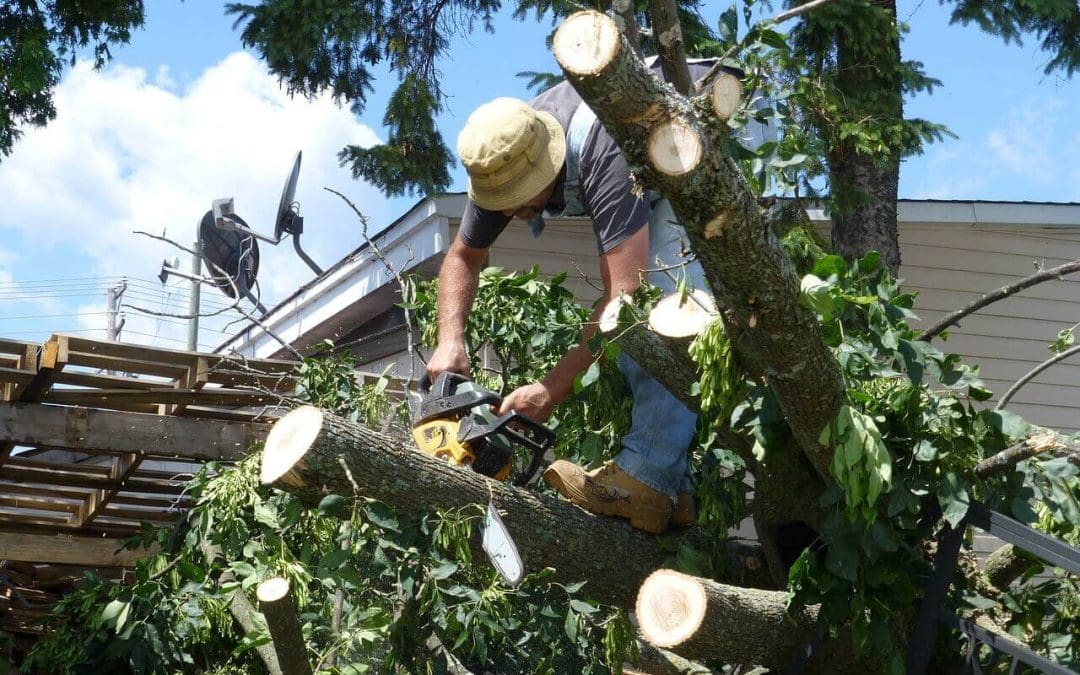
When the decision is made to remove a tree, professional execution is non-negotiable for any tree of significant size. Tree removal is one of the more dangerous residential tasks; chainsaw injuries, falling limbs, and property damage from poorly controlled removals are real risks for inexperienced operators. A certified arborist or licensed tree removal company will assess the safest approach, use rigging to control the removal, and handle stump grinding if desired. Verify that any contractor carries liability insurance and workers’ compensation before work begins; without appropriate coverage, you may bear the financial responsibility for injuries or damage. Get two or three quotes for significant removals, as pricing varies considerably based on the tree’s size, location, accessibility, and whether stump removal is included.
Frequently Asked Questions (FAQs)
How much does it cost to remove a tree?
Costs vary widely based on size, location, and complexity. Getting multiple quotes from insured professionals is always advisable.
Do I need a permit to remove a tree on my property?
It depends on your municipality. Many cities have tree preservation ordinances that require permits to remove trees above a certain trunk diameter, particularly for protected species or in sensitive areas. HOA rules may impose additional restrictions. Check with your local planning or building department before removing any significant tree to avoid fines or required replanting obligations.
Can I remove a tree myself to save money?
For very small trees under 15 feet with no structures nearby, experienced homeowners with proper tools can sometimes manage safely. For anything larger, the risks of injury and property damage make professional removal the wiser investment.
What happens to the stump after a tree is removed?
Stumps left to decay naturally take years and can attract termites and wood-boring insects. Stump grinding is the most practical option and allows the area to be filled and graded. Complete stump removal by excavation is an option if the area needs to be used for construction or planting.
Will my homeowner’s insurance cover damage from a fallen tree?
Insurance generally covers damage caused by a sudden, accidental fall from a covered peril like wind or storm. It typically does not cover damage from a tree known to be dead or hazardous before it fell. This is a practical reason why documenting tree conditions and addressing known hazards promptly matters.
Crossroads Home Inspections provides inspections to homebuyers and sellers in St. Louis and the surrounding area. Contact us to schedule our services.