
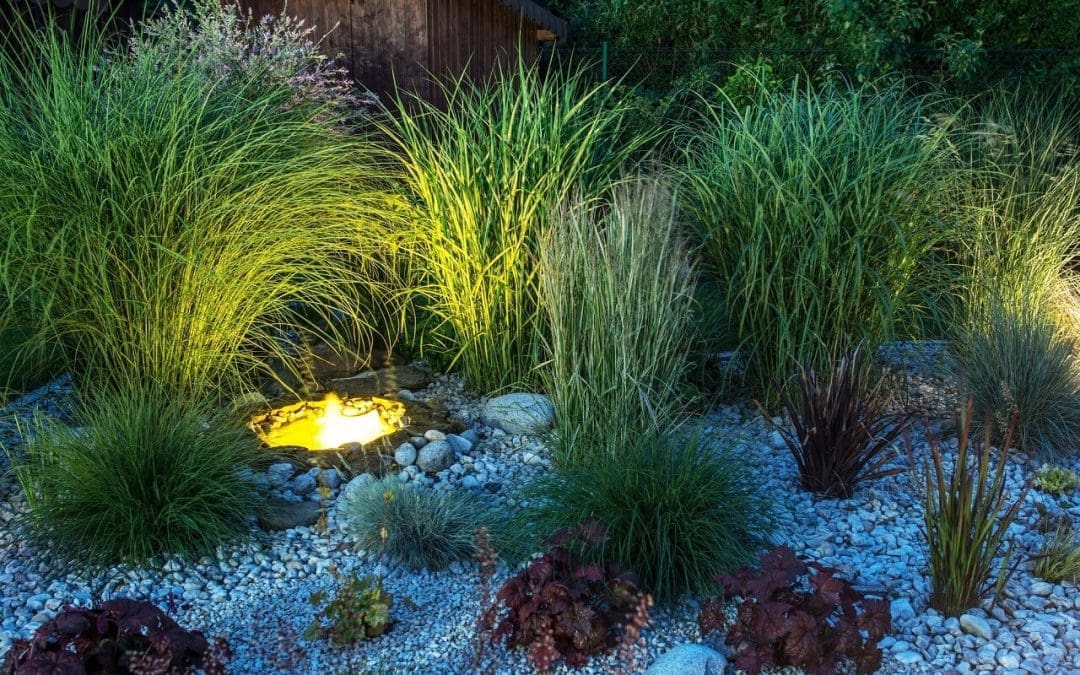
A well-lit yard adds security, extends the usability of outdoor spaces, and enhances the architectural features and plantings you’ve worked hard to establish. Planning your landscape lighting thoughtfully before purchasing a single fixture saves time, money, and the frustration of a finished result that doesn’t deliver what you envisioned. Whether you’re starting from scratch or upgrading an existing setup, understanding the fundamentals of landscape lighting design gives you the foundation to create an outdoor environment that works as well at night as it does during the day.
Start With a Clear Landscape Lighting Plan
Before selecting fixtures or deciding where to place them, take time to walk your property after dark and observe what you’re working with. Note which areas feel unsafe or poorly visible, which architectural features or plantings you’d like to highlight, and where functional lighting, such as near steps, pathways, and entry points, is most needed. Sketching a simple diagram of your yard with proposed fixture locations helps you visualize the overall design, identify potential gaps, and estimate how many fixtures and how much wiring your project will require before spending anything.
Understand the Different Types of Landscape Lighting
Landscape lighting encompasses a wide range of fixture types, each suited to specific applications. Path lights illuminate walkways and garden borders at low levels, guiding foot traffic safely through the yard. Spotlights and uplights draw attention to trees, architectural details, and focal point plantings by directing a concentrated beam upward or at an angle. Floodlights provide broad coverage for driveways, large open areas, and security applications. Deck and step lights are recessed or surface-mounted fixtures that add safety and ambiance to outdoor living areas. Understanding which fixture types serve which purposes helps you build a lighting plan that addresses both function and aesthetics.
Choose the Right Landscape Lighting for Your Home
Fixture selection involves more than just appearance, material quality, weather resistance, and light output all factor into long-term performance and satisfaction. Low-voltage LED fixtures have become the standard for residential landscape lighting due to their energy efficiency, long lifespan, and broad range of available styles. Brass and copper fixtures develop an attractive patina over time and hold up well in most climates, while quality composite fixtures offer a lower-cost alternative with reasonable durability. Matching fixture finishes and styles throughout the yard creates a cohesive look, even when different fixture types are used in different areas.
Layer Your Lighting for the Best Results
The most visually compelling landscape lighting designs use multiple layers of light rather than relying on a single fixture type or uniform brightness throughout the yard. Combining ambient lighting for general illumination, accent lighting to highlight specific features, and task lighting for functional areas like steps and entry points creates depth and visual interest that a single-layer approach can’t achieve. Varying the height, angle, and intensity of fixtures across different zones of the yard gives the landscape a dynamic, professionally designed quality that elevates the overall appearance of the property after dark.
Plan for Power and Controls
How your landscape lighting system is powered and controlled has a significant impact on convenience and long-term operating costs. Low-voltage systems connect to a transformer plugged into a standard outdoor outlet, making them accessible for most DIY installations. Smart landscape lighting systems allow you to set schedules, adjust brightness, and control zones remotely without manual timers. Solar-powered fixtures have improved significantly in recent years and work well in areas with reliable sun exposure, eliminating the need for wiring in some zones.
Work in Phases to Manage Costs
A comprehensive landscape lighting installation can represent a meaningful investment, and there’s no requirement to complete the entire project at once. Planning the full system upfront and then installing it in phases allows you to spread costs over time without compromising the integrity of the final design. Starting with the highest-priority areas, such as entry points, pathways, and security zones, delivers immediate functional benefit while leaving room to add accent and decorative lighting in subsequent phases as budget allows.
Frequently Asked Questions (FAQs)
How many landscape lighting fixtures do I need?
The number of fixtures depends on the size of your yard, the specific features you want to highlight, and the lighting effects you’re trying to achieve. A general starting point for an average residential property is between eight and fifteen fixtures, but a well-thought-out plan tailored to your specific yard is more reliable than any general estimate.
What is the best type of landscape lighting for a front yard?
Path lights along walkways, uplights on trees or architectural features near the entry, and a well-lit front door create a welcoming, polished appearance for most front yards. Wall-mounted fixtures flanking the entry and step lights on any changes in grade add both safety and visual appeal.
Is low-voltage landscape lighting easy to install yourself?
Low-voltage landscape lighting systems are among the more DIY-friendly outdoor electrical projects available to homeowners. Most systems connect to a transformer that plugs into a standard outdoor GFCI outlet, with a flexible cable that runs along the surface or just below ground between fixtures.
How do I keep landscape lighting looking its best long term?
Cleaning fixture lenses periodically to remove dirt and oxidation, adjusting fixture aim as plants grow and mature, replacing bulbs promptly, and checking wire connections annually are the core maintenance tasks for a landscape lighting system. Pulling mulch back from fixture bases prevents moisture buildup and extends fixture life.
Should I hire a professional for landscape lighting installation?
For straightforward low-voltage systems with a modest number of fixtures, DIY installation is a reasonable option for most homeowners with basic tools and a willingness to follow instructions carefully. Larger or more complex systems benefit from professional installation.
Crossroads Home Inspections provides inspections to homebuyers and sellers in St. Louis and the surrounding area. Contact us to schedule our services.