
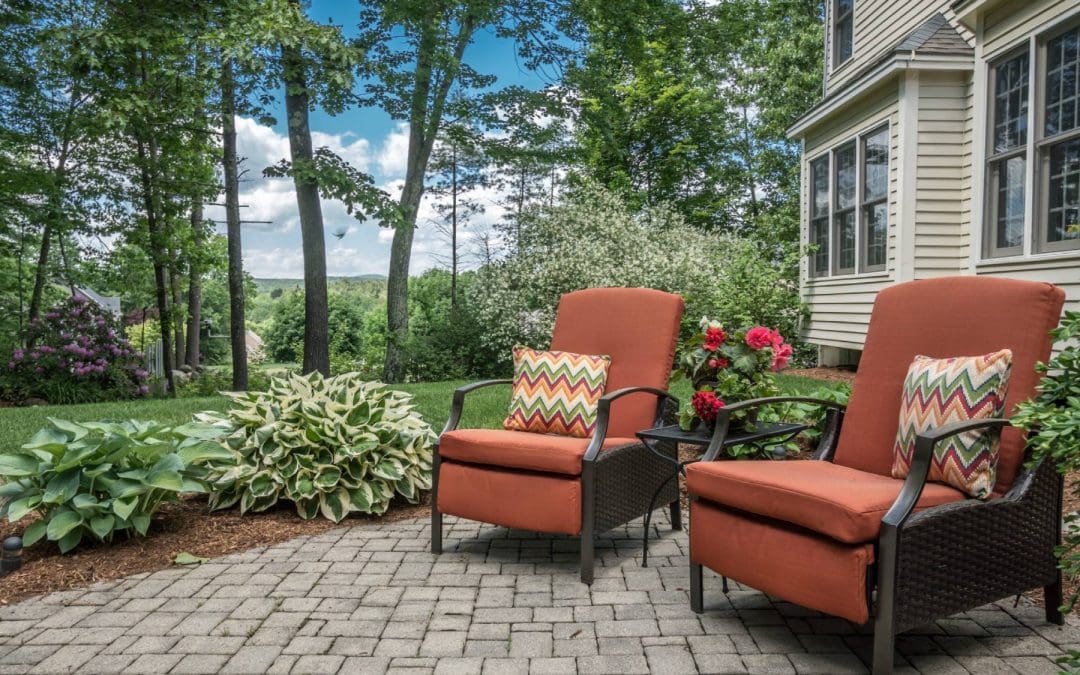
Creating an inviting and functional outdoor area goes beyond planting flowers and trimming hedges. Thoughtful hardscaping ideas can completely transform a backyard, patio, or garden into a space that balances beauty, durability, and usability. Hardscaping, the use of stone, concrete, wood, and other non-living elements, adds structure, visual interest, and long-lasting value to any property. From pathways and retaining walls to fire pits and seating areas, the right hardscaping choices can turn a simple yard into a welcoming retreat.
Why Hardscaping Ideas Are Important
Hardscaping is about more than aesthetics; it shapes how a yard is used. While landscaping focuses on plants and greenery, hardscaping provides the framework that defines spaces, guides movement, and enhances functionality. Well-planned hardscaping ideas create natural flow, improve drainage, and minimize maintenance, all while making the outdoor environment more enjoyable for entertaining, relaxing, or playing. Investing in hardscape features can also increase property value. Buyers often appreciate structured outdoor areas with patios, walkways, and fire pits, viewing them as extensions of living space. Incorporating practical and attractive elements ensures a yard is both visually appealing and functional.
Pathways and Walkways
One of the simplest ways to integrate hardscaping ideas is through pathways and walkways. Stone, brick, or paver paths not only guide visitors through the yard but also create a polished, cohesive look. Curved paths add a sense of intrigue, while straight lines can emphasize a formal design. Pathways improve safety, keeping feet on stable surfaces and protecting grass or delicate plants. They also reduce erosion in high-traffic areas and provide easy access to garden beds, seating areas, or outdoor structures.
Retaining Walls and Terracing
For yards with slopes or uneven terrain, retaining walls are both practical and visually striking. Incorporating them into hardscaping ideas helps manage erosion, define garden beds, and create level areas for patios or seating. Stone, brick, or timber walls can complement a variety of landscaping styles, from rustic to modern. Terraced designs allow homeowners to maximize space, creating multiple levels for planting, entertaining, or relaxing. Proper drainage planning is essential to ensure long-term stability and prevent water damage.
Patios, Decks, and Outdoor Living Areas
Patios and decks are at the heart of many hardscaping ideas, providing spaces for dining, socializing, or simply enjoying the outdoors. Concrete, stone, pavers, or composite decking materials offer durability and style, while built-in seating or fire pits make the area inviting and functional.
Adding pergolas, awnings, or shade structures enhances comfort and usability, allowing outdoor areas to be enjoyed in varying weather conditions. Lighting features, such as pathway lights or integrated LED fixtures, extend usability into the evening and highlight design elements.
Fire Pits, Water Features, and Decorative Elements
Incorporating features like fire pits, fountains, or small ponds can elevate hardscaping ideas by adding focal points and sensory appeal. Fire pits create cozy gathering areas, while water features add tranquility with the soothing sound of flowing water. Decorative elements, such as stone benches, sculptures, or raised planters, tie the space together and provide both beauty and function.
Mixing textures, materials, and heights creates visual interest and prevents outdoor spaces from feeling flat or uniform. Even small updates, like edging garden beds with stone or installing a brick pathway, can dramatically enhance the yard’s overall appeal.
Maintenance Considerations
While hardscaping provides durability, proper maintenance ensures longevity. Sealing stone or concrete, cleaning pavers, and inspecting retaining walls for shifts or erosion helps prevent damage over time. Choosing materials suited to your climate and intended use reduces long-term upkeep while keeping the yard looking its best. Incorporating thoughtful hardscaping ideas from the start reduces maintenance headaches and ensures your outdoor space remains functional and beautiful for years to come.
FAQs About Hardscaping Ideas
- What is the difference between landscaping and hardscaping?
Landscaping focuses on living elements like plants, grass, and trees, while hardscaping involves non-living features such as patios, walkways, retaining walls, and decorative structures. - Can hardscaping increase property value?
Yes. Well-designed hardscaping enhances outdoor living space, improves functionality, and boosts curb appeal, all of which can increase a home’s value. - What materials are best for hardscaping?
Stone, brick, concrete, timber, and composite materials are popular choices, offering durability and aesthetic appeal depending on design preferences. - How do I maintain hardscape features?
Regular cleaning, sealing stone or concrete, inspecting walls and drainage, and protecting materials from extreme weather help maintain longevity and appearance. - How do I incorporate hardscaping on a budget?
Start with small features like pathways, edging, or a fire pit, then expand gradually. DIY projects and locally sourced materials can also reduce costs.
Crossroads Home Inspections provides inspections to homebuyers and sellers in St. Louis and the surrounding area. Contact us to schedule our services.