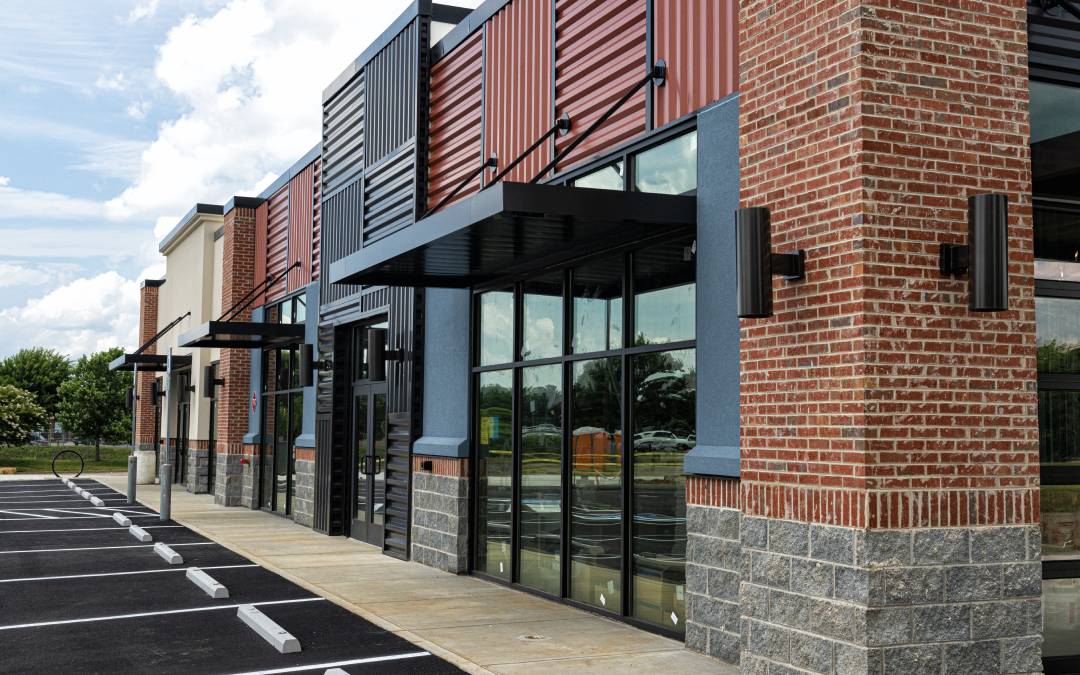
A commercial property inspection is a comprehensive evaluation of a building’s condition, systems, and structural integrity. Whether purchasing, leasing, or maintaining a commercial asset, this process plays a crucial role in identifying risks, uncovering hidden defects, and helping stakeholders make informed decisions. For commercial owners and buyers, skipping a commercial property inspection may lead to unexpected expenses, legal issues, or operational disruptions. Unlike residential inspections, a commercial inspection is more complex and tailored to the size, use, and type of property. From office buildings and retail centers to warehouses and industrial facilities, each inspection requires a detailed and methodical approach.
Key Components of a Commercial Property Inspection
A thorough commercial property inspection typically covers all major building systems and components. Inspectors assess the structure, roofing, plumbing, electrical systems, HVAC units, and safety features such as fire alarms and sprinkler systems. Exterior elements like parking lots, drainage, and landscaping are also evaluated. In addition to the physical aspects, inspectors often review compliance with local building codes and regulations. This is particularly important for buyers who want to avoid fines or costly upgrades after acquisition. Environmental concerns, such as mold, asbestos, or hazardous materials, may also be part of the inspection depending on the property’s age and history.
When to Schedule a Commercial Property Inspection
Timing is everything when it comes to a commercial inspection. For buyers, the ideal time is during the due diligence period before finalizing a purchase. This allows room for negotiation based on the findings. Sellers may also benefit from conducting a pre-listing inspection to identify and address issues proactively. For property owners, regular inspections are a smart way to maintain asset value and prevent minor issues from escalating into major repairs. Leasing agreements may also require periodic inspections to ensure the property remains in good condition for tenants.
Benefits of a Commercial Inspection for Buyers and Owners
One of the biggest advantages of a commercial property inspection is risk mitigation. By uncovering structural problems, outdated systems, or safety hazards, inspections help prevent costly surprises down the line. This knowledge empowers buyers to negotiate better terms or request repairs before closing a deal. For owners, inspections provide a clear roadmap for maintenance and capital improvements. They also enhance tenant satisfaction by ensuring a safe and functional environment. In many cases, a well-maintained property with documented inspections can command higher rental income and resale value.
Choosing the Right Inspector
Not all inspectors are created equal, and selecting the right professional is critical. Look for inspectors with experience in commercial property inspection and a strong understanding of the specific property type. Certifications, credentials, and a proven track record can offer additional assurance. A good inspector will provide a detailed report with clear explanations, photographs, and actionable recommendations. Transparency and communication are key, as the findings of a commercial property inspection often influence major financial decisions.
Common Issues Found During a Commercial Property Inspection
Even well-maintained properties may have hidden issues. Common findings during a commercial property inspection include roofing damage, outdated electrical systems, plumbing leaks, and HVAC inefficiencies. Structural concerns such as foundation cracks or water intrusion can also surface. Deferred maintenance is another frequent issue, particularly in older buildings. Identifying these problems early allows buyers and owners to plan repairs strategically rather than reacting to emergencies.
How to Prepare for a Commercial Property Inspection
Preparation will make the commercial inspection process smoother and more effective. Ensure that all areas of the property are accessible, including utility rooms, rooftops, and mechanical systems. Providing maintenance records and documentation can also help inspectors gain a clearer understanding of the property’s history. Clear communication with tenants or occupants is important to minimize disruptions and ensure cooperation during the inspection. A well-prepared property allows inspectors to conduct a more accurate and efficient evaluation.
Frequently Asked Questions (FAQs)
What does a commercial inspection cost?
The cost of a commercial inspection varies depending on the size, location, and complexity of the property. Larger or specialized buildings typically require more time and expertise, which may increase the price.
How long does a commercial property inspection take?
A commercial inspection could take anywhere from a few hours to several days. The timeline depends on the property’s size, condition, and the scope of the inspection.
Is a commercial inspection required by law?
In most cases, a commercial inspection is not legally required, but it is highly recommended. Many lenders and investors consider it a critical step in the due diligence process.
Can a commercial inspection uncover all issues?
While a commercial inspection is thorough, it is not invasive. Inspectors assess visible and accessible areas, so some hidden issues may not be detected without specialized testing.
How often should owners schedule a commercial inspection?
Regular inspections are advisable, typically every one to three years, depending on the property’s age and usage. Frequent inspections help maintain the building and prevent costly repairs.
Crossroads Home Inspections provides inspections to homebuyers and sellers in St. Louis and the surrounding area. Contact us to schedule our services.