
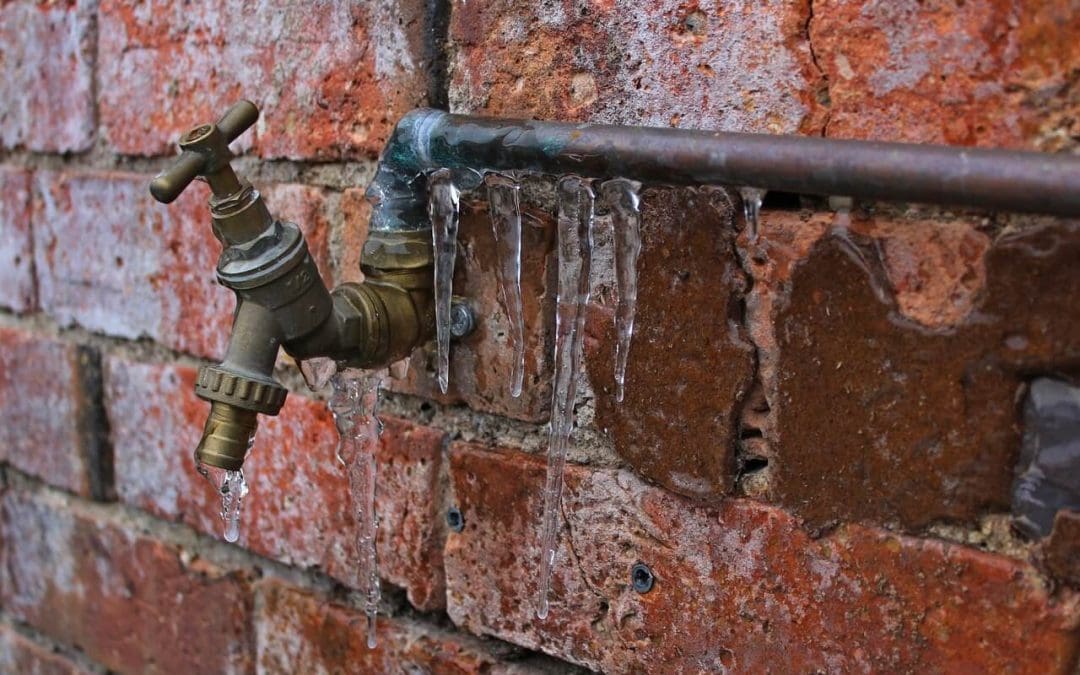
Winter home preparation is the seasonal maintenance category that most directly determines how well a home performs through the months when heating costs peak, frozen pipes become a real risk, and every gap in the building envelope becomes a source of heat loss that adds to the monthly utility bill. St. Louis winters are unpredictable. A mild November can give way to a January that pushes temperatures well below zero, and the homes that handle those swings most reliably are those whose owners prepared systematically before the cold arrived rather than reacting to problems after they developed. Winter home preparation done in the fall produces a warmer, more energy-efficient, and more protected home all winter long.
The Building Envelope: Winter Home Preparation That Keeps the Heat In
The building envelope, the walls, windows, doors, roof, and foundation, is the winter home preparation starting point that produces the most immediate energy efficiency benefit. Caulking around every window frame, door frame, and exterior penetration where gaps have developed is the task that most reduces invisible heat loss at the lowest possible cost. Door sweeps and weatherstripping that have compressed or separated allow conditioned air to escape continuously; replacing deteriorated sweeps and confirming that weatherstripping seals correctly when doors are closed are the winter preparation envelope steps that most directly reduce drafts. Attic insulation at or above the DOE-recommended R-value is the investment with the longest-lasting return, heat rises, and an under-insulated attic is a year-round energy drain that winter amplifies significantly.
Mechanical System Tasks That Keep the Heat On
Heating system service before winter begins is the winter preparation step that most directly prevents the mid-January furnace failure no homeowner wants. A professional furnace or boiler inspection cleans the heat exchanger, confirms safe combustion, tests the safety controls, and identifies developing conditions before they produce a breakdown during the coldest period of the year. Replacing the filter at the start of the heating season and every 60 to 90 days thereafter is the maintenance habit that most directly maintains system performance through months of heavy use. Plumbing preparation focuses on supply lines most vulnerable to freezing, those in exterior walls, crawl spaces, garages, and uninsulated basements. Foam pipe insulation on vulnerable lines is low-cost prevention against the burst pipe scenario that produces some of the most expensive and disruptive water damage of any season.
Winter Home Preparation That Protects the Structure
Gutters cleaned before the first freeze are the winter home preparation step with the most direct structural protection implication. Debris-filled gutters hold water against the fascia board and, in freezing conditions, contribute to ice dam formation, where ice accumulates at the roof’s edge and backs water up under the shingle surface into the roof deck. A clean, clear gutter system that drains freely most prevents ice dam formation and the interior water damage it produces. Disconnecting and draining exterior hose bibs and confirming that interior shutoff valves are closed prevents the frozen hose bib from becoming a burst pipe inside the wall, the step most consistently overlooked until it’s too late.
Frequently Asked Questions (FAQs)
When should I start winter home preparation?
Fall ideally. Caulk and weatherstripping require above-freezing temperatures to adhere properly, furnace service appointments fill quickly as the season turns, and gutter cleaning is most productive after leaves have fallen but before the first hard freeze.
What is the most important winter home preparation task?
Heating system service, because a heating system failure in the depths of winter creates urgency that a summer failure doesn’t. The professional service that prevents that failure costs a fraction of the emergency repair it prevents, and confirming the furnace is in good operating condition before the season begins is the investment with the most direct impact on household safety and comfort.
How do I know if my home is losing heat through the envelope?
Hold a candle or incense stick near window frames, door frames, and electrical outlets on exterior walls while wind is blowing; movement of the flame or smoke indicates air infiltration. A professional energy audit using blower door testing and infrared imaging is an assessment that maps the home’s thermal performance.
What should I do if a pipe freezes?
Locate the main water shutoff and be ready to close it immediately if the pipe bursts when it thaws. Apply gentle heat, with a hair dryer or warm towels, to the frozen section from the fixture back toward the wall. Never use an open flame to thaw a frozen pipe. If the pipe has already burst, close the main shutoff immediately and contact a licensed plumber.
Does winter home preparation reduce energy bills?
Yes, significantly. Caulking, weatherstripping, door sweeps, and attic insulation directly reduce the heating load the HVAC system carries, which reduces energy consumption and cost. A well-sealed, well-insulated home maintains temperature more consistently and requires less heating system run time, producing measurable bill reductions that compound across the entire heating season.
Crossroads Home Inspections provides inspections to homebuyers and sellers in St. Louis and the surrounding area. Contact us to schedule our services.