
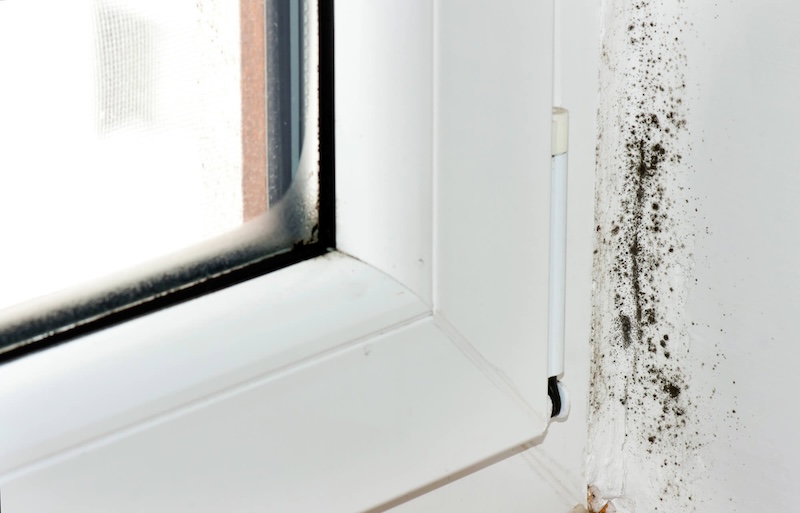
To prevent mold growth, homeowners need to understand how moisture, airflow, and everyday habits work together inside the home. Mold could affect indoor air quality, damage building materials, and lead to expensive repairs if left unaddressed. The good news is that with proactive maintenance and awareness, it is possible to prevent mold growth and protect both the home and the people living in it.
Prevent Mold Growth by Managing Indoor Humidity
Mold needs moisture to thrive, which makes moisture control the foundation of prevention. Even small, unnoticed sources of dampness create ideal conditions for mold to develop. Indoor humidity levels should generally be kept below 60%, with many experts recommending a range of 30-50%. High humidity allows moisture to linger on surfaces, especially in bathrooms, kitchens, and laundry areas. Using exhaust fans during showers and cooking helps remove excess moisture before it settles. Dehumidifiers are especially helpful in basements or homes located in humid climates, where moisture is harder to control naturally.
Fixing Leaks Before They Become Problems
Plumbing leaks, roof damage, and poorly sealed windows are common contributors to hidden moisture. Even slow leaks behind walls or under sinks support mold growth over time. Regularly checking for signs of water damage, such as staining, bubbling paint, or musty odors, allows homeowners to address issues early. Prompt repairs are one of the most effective ways to prevent mold growth in the long term.
The Importance of Ventilation and Air Circulation
Good airflow helps surfaces dry quickly, which limits mold’s ability to take hold. Homes that feel stuffy or have stagnant air often struggle with moisture issues. Bathrooms, kitchens, and laundry rooms produce large amounts of moisture. Proper ventilation guarantees that humid air is expelled outdoors rather than circulating through the home. Bathroom fans should run during showers and for a short time afterward. Kitchen range hoods help remove steam and grease, which may otherwise settle on surfaces and contribute to moisture buildup. Airflow should not stop at individual rooms. Consistent circulation throughout the home helps maintain balanced humidity levels. Changing HVAC filters regularly and checking that vents are unobstructed supports proper airflow. When air moves freely, it becomes easier to prevent mold in less obvious areas like closets and corners.
Prevent Mold Growth With Smart Material Choices
Some materials are more resistant to moisture and mold than others. Choosing wisely during repairs or upgrades could reduce future risk. Bathrooms and basements benefit from moisture-resistant drywall, paints, and flooring. These materials are designed to withstand damp conditions better than standard products. While they do not make a home mold-proof, they do add an extra layer of protection that helps prevent mold growth when combined with good moisture management. Storing items directly against walls or on basement floors could trap moisture and restrict airflow. Using shelving that allows air circulation and avoiding cardboard boxes in damp areas reduces the chance of mold developing on stored belongings. Thoughtful storage habits contribute to a healthier indoor environment.
Seasonal Maintenance Helps Prevent Mold Growth
Mold prevention is not a one-time task. Seasonal changes could introduce new moisture challenges that require attention. Before the rainy or humid seasons, inspecting the roof, gutters, and exterior drainage helps ensure that water is directed away from the home. Clogged gutters and poor grading may cause water to pool near foundations, increasing the risk of moisture intrusion. Addressing these issues supports ongoing efforts to prevent mold growth. During colder months, condensation could form when warm indoor air comes into contact with cold surfaces. Insufficient insulation and air sealing often worsen this problem. Improving insulation and sealing gaps helps maintain consistent surface temperatures and reduces condensation, limiting mold-friendly conditions.
To prevent mold growth, homeowners must focus on controlling moisture, maintaining proper airflow, and performing regular maintenance. When these elements work together, homes stay healthier, materials last longer, and the risk of mold-related problems is significantly reduced.
Frequently Asked Questions (FAQs)
Can mold grow even if a home looks clean?
Yes. Mold often develops in hidden areas, such as behind walls, under flooring, or inside HVAC systems, where moisture is present.
Is a musty smell always a sign of mold?
A persistent musty odor often indicates excess moisture and may suggest mold growth, even if it is not visible.
Do air purifiers prevent mold growth?
Air purifiers may help improve air quality, but do not address the moisture issues that allow mold to grow.
How quickly can mold start growing after water exposure?
Mold could begin developing within 24 to 48 hours if moisture is not properly dried.
Is mold prevention an ongoing process?
Yes. Regular maintenance, monitoring humidity, and addressing moisture issues promptly are key to long-term prevention.
Crossroads Home Inspections provides inspections to homebuyers and sellers in St. Louis and the surrounding area. Contact us to schedule our services.